Comprehensive protection designed for NI drivers, homeowners, and businesses — backed by friendly local support and straightforward, reliable service.
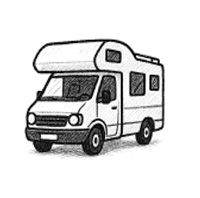
Explore the Causeway Coast, Scotland, or Europe with flexible, specialist cover for Northern Ireland customers.
Protect your home, belongings, and peace of mind with trusted cover from leading UK and NI insurers.
Drive with confidence with car insurance tailored to your needs — from young drivers to experienced motorists.
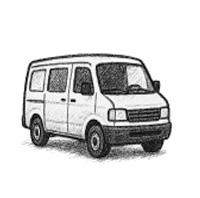
Keep your work on the road with dependable commercial vehicle cover tailored for NI trades and businesses.
Protect your home, belongings, and peace of mind with trusted cover from leading UK and NI insurers.
Drive with confidence with car insurance tailored to your needs — from young drivers to experienced motorists.
Keep your work on the road with dependable commercial vehicle cover tailored for NI trades and businesses.
Explore the Causeway Coast, Scotland, or Europe with flexible, specialist cover for Northern Ireland customers.
Stay protected abroad with cover for medical, baggage, and cancellations.
Give your loved ones financial security and peace of mind for the future.
At Dolmen Insurance Brokers, we believe insurance should be simple, transparent, and built around real life in Northern Ireland. Whether you need protection for your home, vehicle, campervan, business, or financial future, our team takes the time to understand your needs and match you with the right cover — not just the quickest option.
From our NI office in Newry, we support thousands of customers across Northern Ireland with personal and commercial insurance solutions backed by top UK and European insurers.
Local Northern Ireland Support
Speak to our NI-based team for friendly, personal assistance whenever you need it.
Tailored Insurance Packages
We compare policies across multiple insurers to find cover that fits your lifestyle or business — no one-size-fits-all approach.
Decades of Experience
With more than 20 years in the industry, we bring expert knowledge, trusted advice, and strong relationships with leading insurers.
Check out our FAQs on our Insurance Products below.
Campervan insurance (or motorhome insurance) is a specialist policy designed to protect your vehicle — whether factory-built or self-converted — against risks such as accidents, theft, vandalism, fire, and weather damage.
It can also include liability cover, protecting you if your campervan causes injury or damage to other people or property.
Yes. Like any other motor vehicle, a campervan must be insured in line with the Road Traffic Act to be legally driven on Northern Ireland roads.
You must hold at least Third-Party Only cover to drive legally.
Third-Party Only (TPO):
Covers damage or injury you cause to others, but not your own campervan.
Third-Party, Fire & Theft (TPFT):
Adds cover if your campervan is stolen or damaged by fire.
Fully Comprehensive:
Covers your campervan for accidental damage, plus:
Third-party liability
Theft and fire
Windscreen/glass
Optional cover for personal belongings
Optional European breakdown and travel cover
This is the most popular choice for NI campervan owners.
Many fully comprehensive campervan policies include some level of cover for personal items such as:
Clothing
Camping equipment
Small electronics
Outdoor furniture
Higher-value items (such as bikes, photographic equipment, or jewellery) may need to be listed separately or insured under a home or travel policy.
Always check your specific insurer’s terms.
Yes — many NI campervan insurers include European driving cover, though the duration varies by provider.
Some policies offer:
Unlimited European driving
30, 60, or 90 days of EU cover
Optional upgrades for extended European trips
Travel outside the EU or UK may require additional documentation or temporary extensions. Check your cover before travelling.
Countries covered:
The continent of Europe which includes any country in or outside Europe whose Green Card Bureau is a member of the Council of Bureaux in London.
These countries are as follows;
Andorra, Austria, Belgium, Croatia, Cyprus, Czech Republic, Denmark, Estonia, Finland, France, Germany, Greece, Hungary, Ireland, Italy, Latvia, Lithuania, Luxembourg, Malta, Monaco, Netherlands, Norway, Poland, Portugal, Slovakia, Slovenia, Spain, Sweden, Switzerland, United Kingdom and the Vatican City.
The following countries are NOT covered and Axa will not provide cover when travelling to the following countries Albania, Israel, Iran, Morocco, Russia, Tunisia, Turkey and Ukraine
Yes. Factors that commonly influence NI campervan premiums include:
Age of the driver
Driving experience and licence history
Claims history
Engine size and value of the campervan
How frequently and how far the campervan is driven
Younger or newly qualified drivers usually pay more, but specialist policies may help reduce the cost.
Absolutely. Campervan owners in Northern Ireland often add:
Breakdown cover (UK & Europe)
Windscreen/glass cover
Accidental damage
European travel extensions
Legal expenses cover
Personal accident cover
Optional benefits allow you to tailor your policy to your travel style.
Yes. Northern Ireland insurers offer specialist cover for:
Vintage campervans
Classic VW campers
High-value restored models
Limited-mileage leisure vehicles
These policies may include agreed value, helping ensure the vehicle is insured for what it’s truly worth.
If something happens:
Contact your insurer as soon as possible
Provide details of the incident
Take photos or video evidence
Share details of any third parties or witnesses
Keep receipts for repairs or emergency costs
Your insurer will guide you through assessment, repair, or settlement.
If you’re with Dolmen, our Northern Ireland claims support team can assist you throughout the entire process.
To secure competitive NI campervan insurance:
Compare several insurers or use a broker
Ensure your mileage and travel habits are correctly listed
Add recognised security (trackers, alarms, immobilisers)
Check if European driving limits match your plans
Review optional extras — only pay for what you’ll use
Consider insuring multiple drivers if it reduces risk
A specialist broker can help tailor a policy for Northern Ireland conditions and travel patterns.
Home insurance provides financial protection for your home and belongings if something unexpected happens — such as fire, theft, storm damage, escape of water, or accidental damage (depending on your level of cover). Policies can include buildings insurance, contents insurance, or both combined.
Home insurance isn’t legally mandatory in Northern Ireland, but it is strongly recommended. If you have a mortgage, your lender will normally require buildings insurance as a condition of the loan.
While cover varies by insurer, most standard policies include:
Buildings cover – structural damage caused by fire, storm, flood, water leaks, subsidence (where included), and other insured events
Contents cover – protection for items such as furniture, electronics, appliances, clothing, and personal belongings
Accidental damage – optional cover for sudden, unexpected breakages or damage
Liability protection – cover if someone is injured on your property and you are held responsible
While exclusions vary, many NI home insurance policies do not cover:
Wear and tear or gradual deterioration
Damage caused by poor maintenance
Flooding in high-risk areas unless specifically included
High-value items not declared or listed separately
Deliberate or negligent damage
Always check your policy booklet for full terms and conditions.
Premiums depend on several factors, including:
The type and age of the property
Your postcode and flood or subsidence risk
Security features (alarms, locks, CCTV)
Whether you choose buildings, contents, or combined cover
The level of excess and optional add-ons
Home insurance in Northern Ireland varies widely, so it’s best to compare multiple insurers to find the right balance between price and protection.
You may be able to lower your premium by:
Installing certified alarms and smoke detectors
Improving security (locks, lighting, monitored systems)
Choosing a higher voluntary excess
Combining buildings and contents insurance
Keeping your home well maintained
Comparing quotes through a broker who can search multiple providers
Yes. You can obtain:
Landlord insurance for rental properties
Contents insurance for tenants
Specialist unoccupied home insurance for vacant properties
Unoccupied homes often require additional security measures and may have limited cover unless specialist insurance is arranged.
Most standard NI policies include cover for storm, fire, and flood (subject to your postcode and flood risk profile).
Subsidence may be included or optional depending on the property and location. Always confirm your cover level when taking out a policy.
Buildings insurance: Covers the structure of your home — walls, roof, floors, permanent fixtures (kitchen units, bathrooms, etc.).
Contents insurance: Covers movable items, such as furniture, clothing, electronics, and personal belongings.
A good rule of thumb: If you’d take it with you when you move, it’s contents.
If you experience a loss:
Contact your insurer as soon as possible
Provide details of what happened
Take photos or videos of the damage
Keep receipts for any repairs or replacements
Follow your insurer’s guidance through the assessment and settlement process
If you are insured through Dolmen, our NI team can assist you throughout your claim.
Yes — but you’ll likely need a specialist renovation or home-under-construction policy. These are designed for properties undergoing:
Structural changes
Extensions
Major refurbishments
Temporary removal of roofs or walls
Standard home insurance may not apply during building works.
Consider:
The rebuild cost of your home
The total value of your contents
Whether you need accidental damage
If your area has specific risks (flooding, subsidence)
Optional extras such as home emergency cover
A broker like Dolmen can compare several insurers on your behalf and help you find cover that suits your budget and lifestyle.
Car insurance is a legal requirement in Northern Ireland. It provides financial protection if your vehicle is involved in an accident, damaged, stolen, or causes injury or damage to other road users. Depending on your cover, it may also protect your own car against fire, theft, or accidental damage.
Yes — it is illegal to drive on Northern Ireland roads without insurance that meets the minimum requirements of the Road Traffic Act.
At a minimum, you must have Third-Party Only cover, which insures you against damage or injury you cause to others.
Third-Party Only (TPO):
Covers injury or damage you cause to others, but not your own car.
Third-Party, Fire & Theft (TPFT):
Adds protection if your vehicle is stolen or damaged by fire.
Fully Comprehensive:
The highest level of cover — includes damage to your own vehicle, third-party cover, and may include additional benefits such as windscreen cover or personal belongings (depending on the insurer).
Insurers consider several factors, including:
Your age and driving experience
Claims history and No Claims Discount (NCD)
Vehicle type, value, and engine size
Your location/postcode
How the vehicle is used (social, commuting, or business use)
Security features such as alarms or immobilisers
Each insurer calculates risk differently, so premiums can vary widely.
A No Claims Discount rewards drivers who have built up years without making a claim.
In Northern Ireland, NCD is:
Transferable between insurers
Typically measured in “years”
Often protected with an optional add-on (NCD Protection)
A strong NCD can significantly reduce your annual premium.
Only fully comprehensive car insurance covers damage to your own car following an accident.
Third-Party and Third-Party, Fire & Theft policies do not include accidental damage unless added as an optional benefit.
Generally, yes. Drivers aged 17–24 usually pay higher premiums due to increased risk statistics.
Some insurers offer:
Telematics/black box policies
Beginner driver discounts
Gradual NCD-building opportunities
These can help reduce costs over time.
Yes — but most finance or leasing companies require fully comprehensive insurance to protect the vehicle for the duration of the agreement.
Your policy must meet the minimum requirements set by your lender.
Most NI policies provide the minimum legal cover for driving within:
The UK
The EU (subject to policy terms)
Some policies include extended European cover for holidays or short trips.
If you plan to drive outside the EU, you may need additional documentation or temporary cover — always check your policy before travelling.
The excess is the amount you must pay toward a claim before your insurer contributes.
There are usually two types:
Compulsory excess – set by the insurer
Voluntary excess – chosen by the driver to reduce the premium
A higher voluntary excess typically lowers your premium, but means you pay more if you make a claim.
You should notify your insurer as soon as possible with:
Details of the incident
Photographs or video of the damage
Contact information for any other parties involved
Police reference numbers where applicable
Your insurer will advise you on repairs, replacement vehicles, or settlement options.
If you’re insured through Dolmen, our NI claims support team can guide you through every step.
Yes — depending on your insurer, you may be able to include:
Breakdown cover
Windscreen repair/replacement
Legal expenses cover
Courtesy car (subject to policy terms)
Personal accident benefit
No Claims Discount Protection
Optional extras allow you to tailor your policy to your driving habits and needs.
Van insurance is a motor insurance policy designed to protect you, your van, and other road users if an accident, theft, fire, or damage occurs.
Whether you use your van for work or personal use, you must have the minimum level of cover required under the Road Traffic Act to drive legally in Northern Ireland.
Yes. It is against the law to drive a van without valid motor insurance.
You must hold at least Third-Party Only cover, which protects other people and their property if you cause damage or injury.
Third-Party Only (TPO):
Covers injuries or damage caused to others — but not damage to your own van.
Third-Party, Fire & Theft (TPFT):
Adds protection if your van is stolen or damaged by fire.
Fully Comprehensive:
Covers your own van for accidental damage in addition to third-party cover.
Often includes windscreen cover and other optional extras depending on the insurer.
You can also choose policies tailored to:
Tradespeople
Couriers
Delivery drivers
Multi-van fleets
Private-use vans
Insurers assess risk based on factors such as:
Type, weight, and age of the van
Driver’s age, licence history, and claims record
How the van is used (trade, courier, personal, or business)
Where the van is kept overnight
Annual mileage
Security features (immobilisers, alarms, trackers)
Because work vans often carry tools or equipment, insurers also consider the value and type of items stored.
Not always. Standard van insurance typically covers the vehicle only.
If you carry tools, materials, or stock, you may need:
Tools cover
Equipment cover
Goods in Transit insurance
These protect items stored or transported in your van. Always check your policy wording for limits and exclusions.
Yes. In Northern Ireland, you can choose between:
Social & commuting (non-business journeys)
Business use (tradespeople, engineers, consultants, etc.)
Courier / hire & reward (delivery drivers, multi-drop, parcel delivery)
Commercial van insurance can be customised depending on your industry and daily usage.
Generally, yes. Drivers under 25 often pay higher premiums due to increased risk.
Telematics policies, limited mileage, or high-excess options may help reduce the cost for younger van drivers in NI.
Most NI van policies include basic European driving cover, typically for short-term travel within the EU.
Extended European or international cover may be available as an optional add-on.
Always check your policy before travelling, as commercial use abroad may have additional restrictions.
The excess is the amount you must pay toward a claim.
There are usually two types:
Compulsory excess (set by the insurer)
Voluntary excess (chosen by you to reduce your premium)
Choosing a higher voluntary excess can make your premium cheaper — but increases the cost if you claim.
If you need to make a claim:
Contact your insurer as soon as possible
Provide a clear description of the incident
Supply photos, dashcam footage, or witness details
Share police reference numbers if applicable
Keep receipts for emergency repairs or replacements
Your insurer will explain the next steps, including vehicle assessment and settlement.
Yes — common add-ons in NI include:
Breakdown cover
Windscreen repair/replacement
Legal expenses insurance
Courtesy van (subject to availability)
Goods in Transit
No Claims Discount Protection
Optional extras help tailor your policy to your work and travel requirements.
To secure a competitive quote:
Compare multiple insurers through a specialist broker
Install approved security devices
Avoid unnecessary add-ons
Keep your mileage accurate
Park your van securely overnight
Maintain a clean driving record
Brokers can often access deals not available directly to the public, helping you find better value for both private-use and commercial vans.
Campervan insurance (or motorhome insurance) is a specialist policy designed to protect your vehicle — whether factory-built or self-converted — against risks such as accidents, theft, vandalism, fire, and weather damage.
It can also include liability cover, protecting you if your campervan causes injury or damage to other people or property.
Yes. Like any other motor vehicle, a campervan must be insured in line with the Road Traffic Act to be legally driven on Northern Ireland roads.
You must hold at least Third-Party Only cover to drive legally.
Third-Party Only (TPO):
Covers damage or injury you cause to others, but not your own campervan.
Third-Party, Fire & Theft (TPFT):
Adds cover if your campervan is stolen or damaged by fire.
Fully Comprehensive:
Covers your campervan for accidental damage, plus:
Third-party liability
Theft and fire
Windscreen/glass
Optional cover for personal belongings
Optional European breakdown and travel cover
This is the most popular choice for NI campervan owners.
Many fully comprehensive campervan policies include some level of cover for personal items such as:
Clothing
Camping equipment
Small electronics
Outdoor furniture
Higher-value items (such as bikes, photographic equipment, or jewellery) may need to be listed separately or insured under a home or travel policy.
Always check your specific insurer’s terms.
Yes — many NI campervan insurers include European driving cover, though the duration varies by provider.
Some policies offer:
Unlimited European driving
30, 60, or 90 days of EU cover
Optional upgrades for extended European trips
Travel outside the EU or UK may require additional documentation or temporary extensions. Check your cover before travelling.
Countries covered:
The continent of Europe which includes any country in or outside Europe whose Green Card Bureau is a member of the Council of Bureaux in London.
These countries are as follows;
Andorra, Austria, Belgium, Croatia, Cyprus, Czech Republic, Denmark, Estonia, Finland, France, Germany, Greece, Hungary, Ireland, Italy, Latvia, Lithuania, Luxembourg, Malta, Monaco, Netherlands, Norway, Poland, Portugal, Slovakia, Slovenia, Spain, Sweden, Switzerland, United Kingdom and the Vatican City.
The following countries are NOT covered and Axa will not provide cover when travelling to the following countries Albania, Israel, Iran, Morocco, Russia, Tunisia, Turkey and Ukraine
Yes. Factors that commonly influence NI campervan premiums include:
Age of the driver
Driving experience and licence history
Claims history
Engine size and value of the campervan
How frequently and how far the campervan is driven
Younger or newly qualified drivers usually pay more, but specialist policies may help reduce the cost.
Absolutely. Campervan owners in Northern Ireland often add:
Breakdown cover (UK & Europe)
Windscreen/glass cover
Accidental damage
European travel extensions
Legal expenses cover
Personal accident cover
Optional benefits allow you to tailor your policy to your travel style.
Yes. Northern Ireland insurers offer specialist cover for:
Vintage campervans
Classic VW campers
High-value restored models
Limited-mileage leisure vehicles
These policies may include agreed value, helping ensure the vehicle is insured for what it’s truly worth.
If something happens:
Contact your insurer as soon as possible
Provide details of the incident
Take photos or video evidence
Share details of any third parties or witnesses
Keep receipts for repairs or emergency costs
Your insurer will guide you through assessment, repair, or settlement.
If you’re with Dolmen, our Northern Ireland claims support team can assist you throughout the entire process.
To secure competitive NI campervan insurance:
Compare several insurers or use a broker
Ensure your mileage and travel habits are correctly listed
Add recognised security (trackers, alarms, immobilisers)
Check if European driving limits match your plans
Review optional extras — only pay for what you’ll use
Consider insuring multiple drivers if it reduces risk
A specialist broker can help tailor a policy for Northern Ireland conditions and travel patterns.
Home insurance provides financial protection for your home and belongings if something unexpected happens — such as fire, theft, storm damage, escape of water, or accidental damage (depending on your level of cover). Policies can include buildings insurance, contents insurance, or both combined.
Home insurance isn’t legally mandatory in Northern Ireland, but it is strongly recommended. If you have a mortgage, your lender will normally require buildings insurance as a condition of the loan.
While cover varies by insurer, most standard policies include:
Buildings cover – structural damage caused by fire, storm, flood, water leaks, subsidence (where included), and other insured events
Contents cover – protection for items such as furniture, electronics, appliances, clothing, and personal belongings
Accidental damage – optional cover for sudden, unexpected breakages or damage
Liability protection – cover if someone is injured on your property and you are held responsible
While exclusions vary, many NI home insurance policies do not cover:
Wear and tear or gradual deterioration
Damage caused by poor maintenance
Flooding in high-risk areas unless specifically included
High-value items not declared or listed separately
Deliberate or negligent damage
Always check your policy booklet for full terms and conditions.
Premiums depend on several factors, including:
The type and age of the property
Your postcode and flood or subsidence risk
Security features (alarms, locks, CCTV)
Whether you choose buildings, contents, or combined cover
The level of excess and optional add-ons
Home insurance in Northern Ireland varies widely, so it’s best to compare multiple insurers to find the right balance between price and protection.
You may be able to lower your premium by:
Installing certified alarms and smoke detectors
Improving security (locks, lighting, monitored systems)
Choosing a higher voluntary excess
Combining buildings and contents insurance
Keeping your home well maintained
Comparing quotes through a broker who can search multiple providers
Yes. You can obtain:
Landlord insurance for rental properties
Contents insurance for tenants
Specialist unoccupied home insurance for vacant properties
Unoccupied homes often require additional security measures and may have limited cover unless specialist insurance is arranged.
Most standard NI policies include cover for storm, fire, and flood (subject to your postcode and flood risk profile).
Subsidence may be included or optional depending on the property and location. Always confirm your cover level when taking out a policy.
Buildings insurance: Covers the structure of your home — walls, roof, floors, permanent fixtures (kitchen units, bathrooms, etc.).
Contents insurance: Covers movable items, such as furniture, clothing, electronics, and personal belongings.
A good rule of thumb: If you’d take it with you when you move, it’s contents.
If you experience a loss:
Contact your insurer as soon as possible
Provide details of what happened
Take photos or videos of the damage
Keep receipts for any repairs or replacements
Follow your insurer’s guidance through the assessment and settlement process
If you are insured through Dolmen, our NI team can assist you throughout your claim.
Yes — but you’ll likely need a specialist renovation or home-under-construction policy. These are designed for properties undergoing:
Structural changes
Extensions
Major refurbishments
Temporary removal of roofs or walls
Standard home insurance may not apply during building works.
Consider:
The rebuild cost of your home
The total value of your contents
Whether you need accidental damage
If your area has specific risks (flooding, subsidence)
Optional extras such as home emergency cover
A broker like Dolmen can compare several insurers on your behalf and help you find cover that suits your budget and lifestyle.
Car insurance is a legal requirement in Northern Ireland. It provides financial protection if your vehicle is involved in an accident, damaged, stolen, or causes injury or damage to other road users. Depending on your cover, it may also protect your own car against fire, theft, or accidental damage.
Yes — it is illegal to drive on Northern Ireland roads without insurance that meets the minimum requirements of the Road Traffic Act.
At a minimum, you must have Third-Party Only cover, which insures you against damage or injury you cause to others.
Third-Party Only (TPO):
Covers injury or damage you cause to others, but not your own car.
Third-Party, Fire & Theft (TPFT):
Adds protection if your vehicle is stolen or damaged by fire.
Fully Comprehensive:
The highest level of cover — includes damage to your own vehicle, third-party cover, and may include additional benefits such as windscreen cover or personal belongings (depending on the insurer).
Insurers consider several factors, including:
Your age and driving experience
Claims history and No Claims Discount (NCD)
Vehicle type, value, and engine size
Your location/postcode
How the vehicle is used (social, commuting, or business use)
Security features such as alarms or immobilisers
Each insurer calculates risk differently, so premiums can vary widely.
A No Claims Discount rewards drivers who have built up years without making a claim.
In Northern Ireland, NCD is:
Transferable between insurers
Typically measured in “years”
Often protected with an optional add-on (NCD Protection)
A strong NCD can significantly reduce your annual premium.
Only fully comprehensive car insurance covers damage to your own car following an accident.
Third-Party and Third-Party, Fire & Theft policies do not include accidental damage unless added as an optional benefit.
Generally, yes. Drivers aged 17–24 usually pay higher premiums due to increased risk statistics.
Some insurers offer:
Telematics/black box policies
Beginner driver discounts
Gradual NCD-building opportunities
These can help reduce costs over time.
Yes — but most finance or leasing companies require fully comprehensive insurance to protect the vehicle for the duration of the agreement.
Your policy must meet the minimum requirements set by your lender.
Most NI policies provide the minimum legal cover for driving within:
The UK
The EU (subject to policy terms)
Some policies include extended European cover for holidays or short trips.
If you plan to drive outside the EU, you may need additional documentation or temporary cover — always check your policy before travelling.
The excess is the amount you must pay toward a claim before your insurer contributes.
There are usually two types:
Compulsory excess – set by the insurer
Voluntary excess – chosen by the driver to reduce the premium
A higher voluntary excess typically lowers your premium, but means you pay more if you make a claim.
You should notify your insurer as soon as possible with:
Details of the incident
Photographs or video of the damage
Contact information for any other parties involved
Police reference numbers where applicable
Your insurer will advise you on repairs, replacement vehicles, or settlement options.
If you’re insured through Dolmen, our NI claims support team can guide you through every step.
Yes — depending on your insurer, you may be able to include:
Breakdown cover
Windscreen repair/replacement
Legal expenses cover
Courtesy car (subject to policy terms)
Personal accident benefit
No Claims Discount Protection
Optional extras allow you to tailor your policy to your driving habits and needs.
Van insurance is a motor insurance policy designed to protect you, your van, and other road users if an accident, theft, fire, or damage occurs.
Whether you use your van for work or personal use, you must have the minimum level of cover required under the Road Traffic Act to drive legally in Northern Ireland.
Yes. It is against the law to drive a van without valid motor insurance.
You must hold at least Third-Party Only cover, which protects other people and their property if you cause damage or injury.
Third-Party Only (TPO):
Covers injuries or damage caused to others — but not damage to your own van.
Third-Party, Fire & Theft (TPFT):
Adds protection if your van is stolen or damaged by fire.
Fully Comprehensive:
Covers your own van for accidental damage in addition to third-party cover.
Often includes windscreen cover and other optional extras depending on the insurer.
You can also choose policies tailored to:
Tradespeople
Couriers
Delivery drivers
Multi-van fleets
Private-use vans
Insurers assess risk based on factors such as:
Type, weight, and age of the van
Driver’s age, licence history, and claims record
How the van is used (trade, courier, personal, or business)
Where the van is kept overnight
Annual mileage
Security features (immobilisers, alarms, trackers)
Because work vans often carry tools or equipment, insurers also consider the value and type of items stored.
Not always. Standard van insurance typically covers the vehicle only.
If you carry tools, materials, or stock, you may need:
Tools cover
Equipment cover
Goods in Transit insurance
These protect items stored or transported in your van. Always check your policy wording for limits and exclusions.
Yes. In Northern Ireland, you can choose between:
Social & commuting (non-business journeys)
Business use (tradespeople, engineers, consultants, etc.)
Courier / hire & reward (delivery drivers, multi-drop, parcel delivery)
Commercial van insurance can be customised depending on your industry and daily usage.
Generally, yes. Drivers under 25 often pay higher premiums due to increased risk.
Telematics policies, limited mileage, or high-excess options may help reduce the cost for younger van drivers in NI.
Most NI van policies include basic European driving cover, typically for short-term travel within the EU.
Extended European or international cover may be available as an optional add-on.
Always check your policy before travelling, as commercial use abroad may have additional restrictions.
The excess is the amount you must pay toward a claim.
There are usually two types:
Compulsory excess (set by the insurer)
Voluntary excess (chosen by you to reduce your premium)
Choosing a higher voluntary excess can make your premium cheaper — but increases the cost if you claim.
If you need to make a claim:
Contact your insurer as soon as possible
Provide a clear description of the incident
Supply photos, dashcam footage, or witness details
Share police reference numbers if applicable
Keep receipts for emergency repairs or replacements
Your insurer will explain the next steps, including vehicle assessment and settlement.
Yes — common add-ons in NI include:
Breakdown cover
Windscreen repair/replacement
Legal expenses insurance
Courtesy van (subject to availability)
Goods in Transit
No Claims Discount Protection
Optional extras help tailor your policy to your work and travel requirements.
To secure a competitive quote:
Compare multiple insurers through a specialist broker
Install approved security devices
Avoid unnecessary add-ons
Keep your mileage accurate
Park your van securely overnight
Maintain a clean driving record
Brokers can often access deals not available directly to the public, helping you find better value for both private-use and commercial vans.
Real stories on TrustPilot from real customers—discover why drivers, homeowners, and businesses choose Dolmen every day
Quote form
Quote form